
The Government is cracking down on late payments for goods and services. In this blog we will share with you what you need to know and how to protect your business.
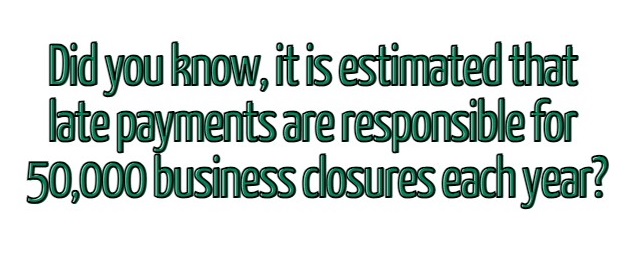
Late payments can cause small and medium sized enterprises (SMEs) a lot of headache and worry. Customers making late payments to suppliers are costing SMEs in the UK around £22,000 per year on average.
The Government has just announced new measures to tackle this problem, however these won’t come into effect overnight. So, how do you protect your business in the meantime? Keep reading to find out…
What Changes are Being Implemented?
The Government have rolled out some new strategies to address these late payment problems. In particular the government are trying to tackle larger businesses taking advantage of smaller ones. Here are the three changes:
- New Fair Payment Code: The old Prompt Payment Code will be replaced with a new Fair Payment Code in Autumn. This will set clearer standards for businesses to meet. Businesses that show they pay their suppliers promptly can earn gold, silver, or bronze status, encouraging quicker payments. Businesses can voluntarily sign up to the code once launched.
- More Transparency about Big Company Practices: New legislation will soon require large businesses to report their payment practices in their annual reports. This will put emphasise on those companies who delay paying small suppliers and inevitably, making them accountable to boards and investors.
- Consultation on Tougher Laws: Stronger laws will be discussed, to force big companies to pay smaller businesses on time. Enforcement of existing laws is also being ramped up. Companies that don’t comply with reporting regulations could be faced with criminal penalties, including unlimited fines.

Why Does this Matter for Small Businesses?
As we have previously mentioned, these payments are significantly affecting small businesses. According to the Federation of Small Businesses (FSB), more than half of UK SMEs are affected by late payments every quarter. Business owners are having to take out expensive loans, or even dip into their own personal savings to help cover the cash flow breaks. The Government’s new focus on this issue aims to give all companies equal opportunity and the chance to increase prospects for SME growth. For more ways to improve business growth, please have a read of our blog – ‘Creating Sustainable Growth’.
It’s hard to say just how effective the new measures will be and the length of time it will take for them to be implemented. Which is why, we would like to share with you some ways you can tackle late payments in your business today.
Here are 6 Steps to Help You with Late Payments Now
- Be Proactive with Your Payment Terms: Make sure your payment terms are crystal clear. Include these on your invoices and contracts. Take into consideration your payment deadlines, if you’ve been giving customers too much leeway, consider tightening your payment deadlines.

- Early and Regularly Payment Chases: Don’t wait until an invoice is overdue. Send a polite reminder a week before the due date and chase them promptly if payment is late. Many businesses find that consistent, friendly follow-ups can make a big difference in getting paid faster.
- Offer Incentives for Early Payments: Consider offering a small discount or benefit for customers who pay early. Although this might reduce your profit slightly, it’s often worth it in the long term, to help avoid the costs and stress of late payments.
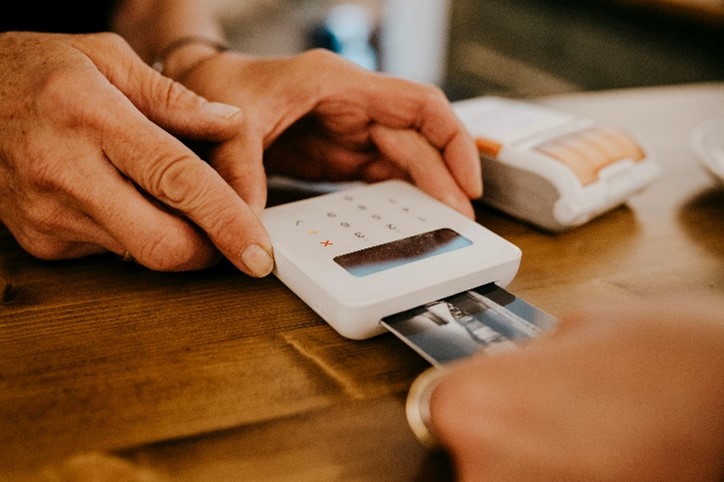
- Update the Way You Take Payments: By using an electronic invoicing system you can reduce late payments by up to 20%. Digital invoicing and payment systems can simplify and streamline the process, making it easier for your customers to pay on time. It can also help your team track payments more efficiently. Check out how Xero can help your business grow.
- Develop Strong Relationships with Customers: It’s easy to overlook, but building and maintaining a strong relationship with your customers can sometimes help avoid late payments. Open communication with customers about the status of payments can prevent issues before they arise.
- Consider Invoice Financing: If late payments are seriously hurting your cash flow, you could look into invoice financing or factoring services. These allow you to borrow against your unpaid invoices, giving you the cash you need upfront. Just be aware that these services come at a cost, so weigh the pros and cons very carefully. Always speak an adviser before considering any form of Finance.
Looking Ahead
The new Fair Payment Code and the related legislation and changes around reporting late penalty payments will hopefully put more pressure on big businesses to pay smaller ones on time.
The wait for these measures to come into effect may take a while. However taking a proactive approach to invoicing and customer relationships now will help protect your business and reduce the impact of late payments. You can read more about the crackdown of late payments on the HMRC website.
If you need any help with HMRC payments, or if you’re unsure how to handle overdue invoices, please give us a call on 01733 371180. The GreenStones team are here to help you stay on top of your finances and keep your business growing.