
If your business makes use of company cars, it makes sense to plan for the most tax-efficient approach. That means thinking about both what types of vehicle you buy, and how they are used.
When do I pay tax on a company car?
Employees are subject to benefit-in-kind (BIK) tax on personal use of a company vehicle. ‘Personal use’ in this instance includes the employee’s daily commute. As directors are classed as employees, the same rules apply. In addition, the company has to pay employer’s NI (currently 15.05%) on the value of the benefit.
The other side of the coin is that the company can claim back a proportion of the purchase price, and some of the running costs.
The amount of BIK tax paid is based on the estimated value of the benefit to the user. Value is calculated using a number of factors, including the list price of the car and the type of fuel it uses. You can reduce that value, and hence the tax payable, if you as an employee pay an amount towards the cost of the vehicle, only have access to it on a part-time basis, or it has low CO2 emissions.
In this case, ‘low’ means less than 50g/km CO2. That guideline covers all electric cars, and some plug-in hybrid models.
An additional advantage may be enjoyed for electric cars rated at 0g/km CO2 and purchased between April 2022 and April 2025. These vehicles are taxed based on just 2% of the list price, compared to 37% at the other end of the emissions scale.
The best company cars to buy
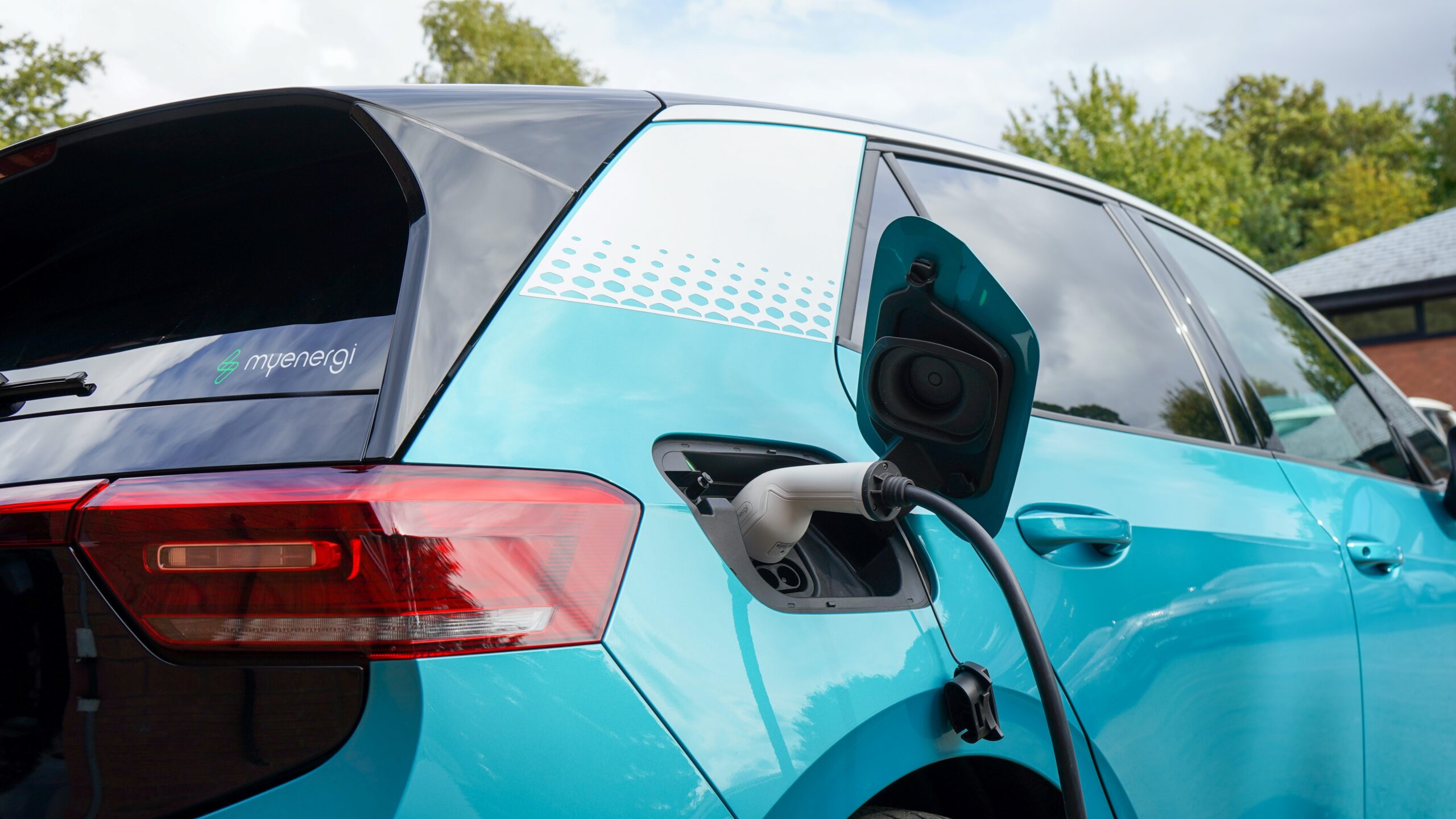
As a general rule, we would recommend that you only buy company cars that are fully electric. In addition to reduced BIK tax, these qualify for 100% capital allowances if bought new.
An alternative option
The taxable value of vans and pick-up trucks is fixed at £3,600 rather than being on a sliding scale based on a CO2-weighted percentage of their list price. There’s an additional benefit for hybrid and electric vans; provided emissions are within 1–50g/km and they have a pure electric range of more than 130 miles, they will be taxed at just 2% in 2022/2023. This can make them a tax-efficient alternative to a company car.
If you’re thinking, ‘I don’t want to drive around in a pick-up truck – and where would the kids go?’ … bear with us! A double-cab pick-up can accommodate four passengers and the driver. It can be classed as a light commercial vehicle (LCV), which allows you to use the vehicle to commute to and from work and take it home without it being considered a company benefit, and yet it still looks good on the road. They’re a great option if you need a commercial vehicle through the week and a family car at the weekend.
The company can recover the VAT on the purchase and the vehicle can be written off against capital allowances in the first year (because it’s classed as ‘plant and machinery’).
However, you need to be aware of qualifying criteria. The vehicle must have a payload capacity of one tonne or more, or else it will be taxed as a regular company car. The weight of a removable hardtop cover can have an impact here, so check your figures.
Summary
If your business needs company cars then electric is the way to go to get the best tax breaks. An alternative option is a double-cab pick-up, because if you purchase one that is classed as an LCV you can claim the VAT back on the purchase, benefit from capital allowances, and reduce BIK and employer’s NI charges.
The caveat, as always, is that rules and regulations regarding vehicle taxation and usage change regularly, so you need to stay up to date with current legislation.
For up-to-date support and advice on company cars, give the GreenStones team a call on 01733 371180.